
Planning a corporate event is a multi-faceted process that involves the collaboration and coordination of multiple professionals and departments. To make it all fall into place, you must know how to plan a corporate event in the right manner to avoid any chances for failure.
This is why we have brought to you this article where we look at all of the steps involved to plan a corporate event while considering all of the relevant factors. Using such a step-by-step guide you can start right away and improvise your current event planning process. But before we get into that, let us explore why detailed planning is required for corporate events.
Before diving into the specifics, ensure you have a comprehensive event planning checklist to guide your process.
Why do Corporate Events Require Detailed Planning?
Detailed corporate event planning helps with anticipating potential challenges and addressing them proactively, ensuring the event stays on track and within budget. Without meticulous planning, there is a higher risk of overlooking critical details, such as venue logistics, catering, or scheduling, which can lead to disruptions and dissatisfaction.
Moreover, detailed planning allows for a well-coordinated event that aligns with the company’s goals and brand image. It ensures that every aspect, from the theme and decor to the activities, is thoughtfully integrated to create a memorable experience. By dedicating time to detailed planning, companies can create stronger relationships with clients, employees, and stakeholders.
9 Steps to Create a Comprehensive Corporate Event Plan
Now that we have covered the utility of planning a corporate event with great detail, it is time for us to look at all of the steps involved in creating a comprehensive event plan for your upcoming corporate event.
Step 1: Understand the Scale of the Event
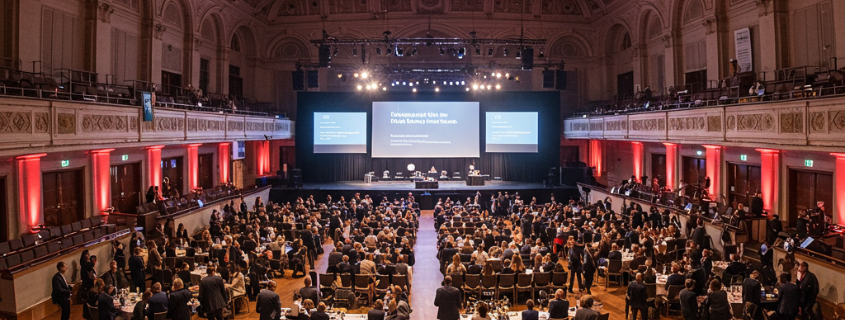
Planning a corporate event without knowing its scale can lead to creating overly extensive or boring events that fail to live up to the expectations of the attendees. It may also lead to inadequate catering or entertainment facilities to keep the guests engaged with the event. If you’re entering the event planning industry professionally, don’t miss this guide on how to register an event management company in India.
Moreover, in corporate events, the time required for networking increases proportionally to the number of attendees. As a result, the overall timeline of your event will also be dictated by its scale. This is why understanding the scale of the event is the first step on the list. For this, you can estimate to have a leeway of around 10% for guests who sign up at the last moment.
Step 2: Gauge the Expectations of the Attendees

Another step in studying demographics for planning your corporate event is to gauge the expectations of your event’s attendees. Use corporate ticketing services to manage entry and attendee tracking. Based on the type of guests, you can have a fair estimate of their expectations. For example, a crowd like Gen Z would prefer having corporate events with a lot of flair and fun, while millennials would prefer a more formal approach.
Based on this, you can easily choose which activities and attractions you would want to feature for the entire event. As you can imagine, this gives you an early advantage in knowing exactly what you need to resonate with the attending guests and make the event a grand success.
Step 3: Draft A Budget for the Whole Event

Once you have figured out the requirements and scope of the overall event, you can confidently draft a budget to present to the stakeholders involved. This budget will outline all of the possible expenses, including venue, catering, and entertainment costs that may be involved.
Note that it is always advised to factor in some extra amount into the budget for fluctuations in the suppliers or costs of goods. A comprehensive budget like this will secure all of your plans for the event and give the stakeholders a lot of trust in your plan due to the detailed accounting.
Securing sponsorships can offset costs; here’s how to find sponsors for your event effectively.
Step 4: Select an Overarching Theme for The Event

Based on the target audience for your event and the preferential data you collected earlier, you will have to pick an appropriate theme for the entire event to follow. While planning the structure, don’t forget to explore creative corporate event theme ideas to make your event stand out. This theme will dictate the type of decorations and activities you will use to bring all of the event elements together in a cohesive manner.
For your corporate event’s theme, you can choose something simple, like a traditional Indian theme, or something more complex, like retro-futurism. Regardless of your choice, you must ensure that all the other arrangements are made according to your chosen theme.
Step 5: Plan a Timeline of Activities and Attractions
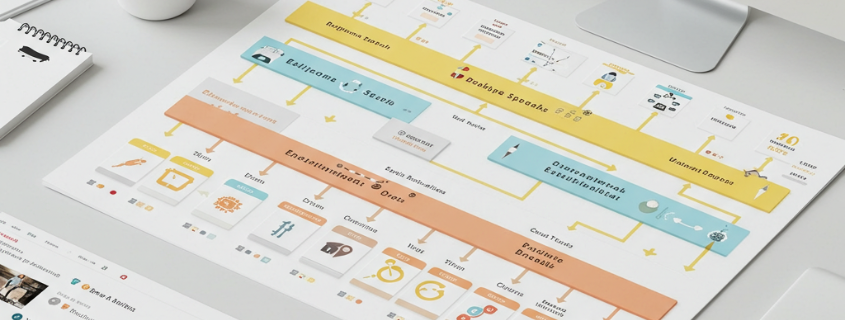
By outlining the key segments of the event from start to finish, you can create a timeline of activities that ensures a smooth flow built to keep attendees engaged throughout. Begin by setting a clear start time for registration or check-in, followed by a welcome speech or opening ceremony to set the tone.
Allocate specific time slots for each activity, such as keynote speeches, breakout sessions, networking breaks, and entertainment acts, balancing the schedule to maintain energy and interest. Include buffer times between sessions to allow for transitions and unexpected delays, and make sure to plan meal and refreshment breaks at appropriate intervals. To keep things lively and boost engagement, especially during breaks, explore these corporate event games for team interaction.
Step 6: Choose the Perfect Venue

While choosing your event venue, you should keep in mind that it should be easily accessible to attendees, with ample parking or transportation options available. It’s also important to assess the capacity to ensure it accommodates your guest list comfortably, with enough space for activities, networking, and any entertainment or presentations planned.
The venue’s layout should complement the event’s flow, providing designated areas for registration, dining, and socializing. Beyond logistics, the venue’s ambience should reflect the event’s tone and theme. For instance, a corporate seminar might benefit from a professional, modern space, while a festive company celebration could thrive in a more relaxed, creative environment.
Step 7: Coordinate with Other Vendors and Service Providers

Coordinate with other vendors and service providers to ensure seamless collaboration and timely delivery of all necessary services for the event. Begin by confirming the details of contracts, schedules, and expectations with each vendor. This includes caterers, decorators, audio-visual technicians, entertainment providers, and security personnel. Need a peek into how pros manage event chaos? This event planner daily routine gives an inside look at how to stay organized throughout the process.
Regular communication leading up to the event helps to align their efforts with the overall timeline and theme. Conduct coordination meetings or calls to review logistics, troubleshoot potential issues, and confirm final details. Effective coordination ensures that all components of the event work together harmoniously, contributing to a well-organized and successful corporate event. Simplify your vendor onboarding with our vendor registration platform.
Step 8: Test All Accommodations Early

Make sure that you test all accommodations early to ensure that every aspect of the event setup functions smoothly and meets the expectations of both organisers and attendees. This involves inspecting the venue’s facilities, including seating arrangements, lighting, sound systems, and Wi-Fi connectivity.
Running tests on all technical equipment, such as microphones, projectors, and speakers, can prevent last-minute technical glitches that could disrupt the event. Additionally, testing includes sampling the catering services to confirm the quality and presentation of food and beverages.
Step 9: Communicate the Event Plan and Date to Attendees

The communication of event details to all of the attendees is critical to ensure their availability. These communications should also include key details like the event’s purpose, date, time, venue, theme, and any special activities or dress codes. Providing this information well in advance allows attendees to plan their schedules accordingly and builds anticipation for the event. Corporate conventions are ideal for networking, announcements, and thought leadership.
Regular updates and reminders leading up to the event help keep it top of mind for attendees and provide any necessary changes or additional details. Clear communication ensures that everyone is on the same page and helps to increase participation and engagement, contributing to the overall success of the corporate event.
3 Key Tips to Make Your Corporate Event Plan More Accurate
Even after following our detailed step-by-step guide, there are still a lot more things you can do to make your corporate event plan more accurate. Given below are some of the top tips that we recommend to increase the precision with which your corporate event is planned.
1. Confirm Plans with Stakeholders in Advance
To ensure that everyone involved is aligned with the event’s objectives, schedule, and logistics, you must confirm plans with stakeholders in advance. This includes key decision-makers, such as company executives, sponsors, and major participants, who should be fully informed about the event details and their roles. Scheduling a meeting or sending detailed briefs well before the event can clarify expectations and address any concerns.
2. Always Have Backup Plans Reserved
Prepare for unexpected challenges that could disrupt the event by having backup plans. This includes having plans for venue issues, technical failures, or vendor cancellations. For instance, if the primary venue becomes unavailable, having an alternative location ready can prevent delays. By planning for various scenarios, you can respond quickly to issues, minimising their impact on the event
3. Have Breaks Scheduled Within the Event
When you have breaks scheduled within the event, you can give attendees time to relax, refresh, and network in a more informal setting. These breaks help maintain energy levels, allowing participants to absorb information more effectively during sessions or activities. Short breaks between segments, such as coffee breaks or quick refreshments, can re-energize attendees and foster casual interactions.
Plan Corporate Events Effortlessly with EventBazaar.com!
Why stress over vendor coordination when you can find everything in one place? From venues to décor, connect with trusted suppliers and make your corporate event a success—without the hassle.
Handle the Planning for Corporate Events Like A Pro With the Right Steps
As you saw in our detailed guide, the process of planning a corporate event can be easier than you think if you have the right steps to follow. Everything from getting all of the arrangements in order to planning for contingencies is a breeze when you have a methodological and progressive approach. Learn how to plan a successful medical conference with the right anchors and support team.
Furthermore, getting in contact with vendors and new potential customers is a breeze when you have the help of platforms like EventBazaar.com. It is the premier platform for event planners and vendors to connect with customers and find a place to advertise services and solutions in the modern day.
Frequently Asked Questions
How big should my event venue be?
Your venue size will primarily be dictated by the number of attendees that you will be expecting and the activities that you plan on having. For example, if your corporate event is made for employee fitness then you will lead a much larger space to accommodate physically intensive activities. Meanwhile, a simple presentation is much less intensive when it comes to venue size.
Where can I find new suppliers and vendors for my event?
Usually, event planners choose to go with local suppliers and vendors to source goods and services for their events but this greatly limits the options they have. This is why modern event planners choose to go with digital platforms like EventBazaar.com where they can find thousands of new vendors and suppliers to work with and find exactly what they want.
What should I do if the attendees are not available during the planned event date?
If the majority of your attendees declare that they are unavailable on the scheduled event date, then it is probably best to move the event to another date. However, if your event dates cannot be adjusted then maybe the time of your event can be altered to have more guests show up. Alternatively, you can request the non-attending guests to pass on their invitations to other potential attendees.