
Choosing a venue for your upcoming event can be a thrilling adventure as you get to explore varying biomes, destinations, and conditions. However, in this pursuit, several things to consider while choosing your event venue may get overlooked, Before selecting a venue, it’s helpful to follow an event planning checklist to ensure all aspects are covered. which may, in turn, lead to delays or failures during the event day.
This is why we have compiled a list of essential considerations to keep in mind while finding the ideal venue to ensure that everything goes according to plan. In this list, we will be going over both small and big details, such as ambient noise and packing accommodations, to give you complete coverage.
Top 11 Event Venue Considerations to Keep in Mind
The eleven considerations that we have selected for selecting venues primarily revolve around the perfect accommodation for guests. This is because the comfort level and experiences are what make any event successful, and the venue has to be capable of handling those requirements. So, without any further ado, let us check out which considerations will help you achieve perfection with your venue.
1. Total Venue Size
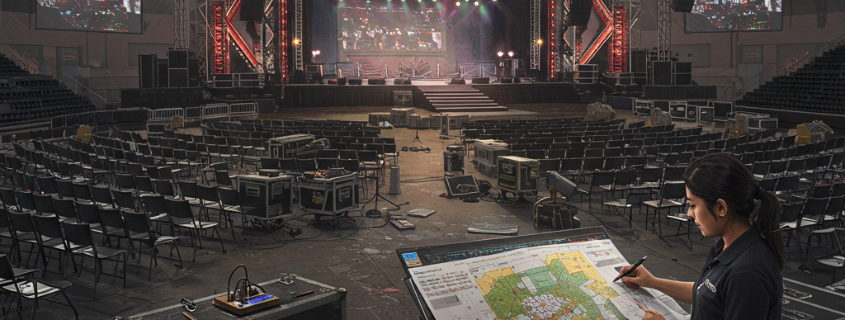
As a first requirement, it is essential to know if the venue’s size can accommodate all of the planned guests and even handle last-minute additions. However, this is a double-edged sword, as getting a venue that is too large can make the event feel disconnected and dull. Ideally, you will want an event venue with 10% more visitors than originally planned.
The venue size will also dictate how many decorations and dedicated areas you can fit in as well. If your event is going to have dedicated areas for activities, dining, and networking, then you will have to calculate if the venue can accommodate that in advance. Getting the right sized venue is also a step forward in terms of cost optimisation as it prevents you from overspending on areas that you don’t need.
2. Venue Availability

Your chosen venue’s availability is something that you will have to confirm as soon as possible. This is because when looking for venues, it is not uncommon to see your preferred venue be booked by other parties at the last moment.
Venue agents also tend to showcase venues that may not be available on the dates that you have planned. That is why it is advised that you make your event timings and schedule clear from the start. Popular venues also have strict time limitations, so you will have to plan your event timeline accordingly to avoid any time overruns.
3. Venue Location

Choosing the location of your event is undoubtedly going to be the most difficult part in terms of finding the perfect venue. Overall, the selection of the venue location narrows down to finding an accessible area while keeping the costs down. Often, people looking for a venue make the mistake of choosing an overly rural area to host events.
This is considered a mistake as it makes the event far less accessible and reduces the chances of guests showing up on time. It also limits your access to service staff and event resources such as electricity and decorations. Knowing all of these factors should help you find an event venue that has the perfect balance in terms of cost and accessibility.
4. Parking Accommodations
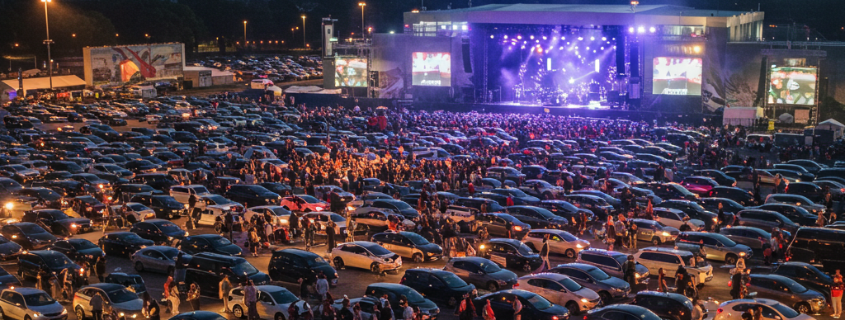
Parking space is a critical factor when choosing an event venue because it directly impacts the convenience and satisfaction of your guests. A venue with adequate parking ensures that attendees can arrive stress-free, without the frustration of circling the area to find a spot. This is especially important for events expecting a large turnout or those held in areas with limited public transportation options.
Furthermore, sufficient parking can enhance safety, as guests won’t have to park far away and walk long distances, particularly at night. Providing accessible and nearby parking demonstrates consideration for your guests’ comfort, setting the tone for a positive event experience.
5. Power Outlets and Generators

The venue of your selection has to be able to accommodate the energy needs of your event. Large speakers, lighting elements, and appliances all draw a lot of power, and not all venues are built with such sanctioned loads in mind. The problem applies to both urban and rural event venues.
This is why you must first check if the venue has enough outlets to power all of the electronics and arrange extensions or load capacity adjustments accordingly. Alternatively, you can resolve this problem with simple generators that also serve as backup power in case of power outages.
6. Availability of Catering & Service Staff

The availability of service and catering staff is essential for the smooth execution of any event, as they are the backbone of the guest experience. The professional staff ensures that food and beverages are served efficiently, tables are cleared promptly, and any unforeseen issues are handled with discretion.
However, some areas might limit your access to professional service staff, leading to higher hiring costs or settling for sub-par service options. And without sufficient and capable staff, even the most well-planned events risk falling into disarray, potentially leaving guests dissatisfied.
7. Ambient Noise and Traffic
One of the most pervasive issues of holding an event in Indian cities is the potential for a lot of ambient noise, which may interfere with the entire vibe of the event. To check if your event might be prone to such intrusions of ambient noise, a great idea would be to visit the venue a week earlier at the time and day on which it is planned to measure noise levels.
Additionally, it is recommended that you plan your events before or after cultural holidays to make sure that the celebrations and your event’s vibe do not clash. Not to mention, timing the event away from peak traffic hours will also help you reduce intrusive noises and create better immersion.
8. Existing Decor
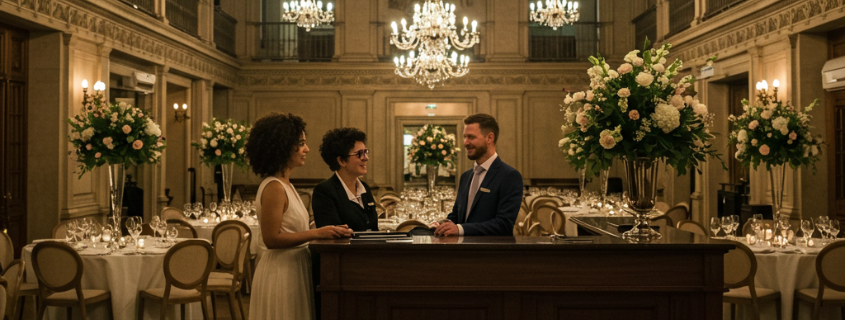
Most venues have a cache of decor supplies that they routinely use for other events. For cultural or wedding events, pair your venue choice with trending mandap decorations for a stunning setup. Usually, these supplies are not used since every organiser is looking for something unique. But if you check these reserved decorations and find something usable, then it can go a long way in helping you save overall costs.
The most usable decoration pieces found at event venues are lighting fixtures and dining furniture. Typically, these decorations come at no additional costs since their usage is included with the venue booking charges.
9. Local Rules and Regulations

If you are booking a venue that is situated in an urban or residential area, then it is a good idea to consult local authorities regarding any rules and restrictions that may be in place. The main restrictions that may apply are noise restrictions and crowd size.
In situations where restrictions are applicable to your venue of choice, you can typically consult the same authorities and get their validation for an exemption in advance. If the authorities approve of your request to go over the restrictions, then it is vital that you get their approval in writing to contest any false reports during the event.
10. Venue Provider’s Reputation

Much like with any other service, knowing the reputation of the venue provider can help you understand if they are a reliable partner for your event. But in the case of negative service reviews, it is not always necessary to ditch the venue provider in favor of another venue.
The situation may be especially manageable if you know you can handle inconveniences like poor catering staff or lighting. Thus, knowing your own capabilities and the venue provider’s shortcomings can help you stay prepared for any failures and still save costs.
11. Weather Conditions

If your event is timed during extreme seasons such as summer or monsoon, it is critical to know if your venue can handle any adverse weather conditions. During the summers, your primary concern will be overheating and ventilation at the venue. This means that closed venues without enough air conditioning capacity will make the event feel stuffy and claustrophobic.
Meanwhile, during monsoons, you will have to know if the event venue is prone to flooding. You can only know if this is the case by asking the local residents and venue owners about the risks of flooding in the area. Even if the area is not prone to floods, you will have to invest in weatherproof equipment to keep the guests safe from any mishaps.
Looking for The Perfect Venue at The Last Minute? EventBazaar.com Has You Covered!
Explore a wide range of event venues on EventBazaar.com, from elegant banquet halls to scenic outdoor spaces. Compare options, connect with trusted venue partners, and find the ideal match for your occasion.
Additional Tips to Ensure Event Venues are Perfectly Organized According to Plan
While you’ve made all of the checks on your end to assure the quality of the event venue, there are some other steps that you might want to take to ensure that every detail is covered. Here are the tips that we recommend to help you consolidate all of the plans and make sure that your event does not face any unexpected challenges.
1. Request a Venue Walkthrough
Having the venue owner or manager walk you through the venue is an excellent step to help you discover new details that you may have missed. This includes finding standard decorations and furniture that you may be able to use for your event at no extra cost. Requesting such a walkthrough also shows you the temperament of the venue organisers and what you can expect moving forward.
2. Communicate All Details in Advance
To ensure that all arrangements are carried out at the venue as planned, you must communicate the details with the venue providers. Experienced event planners recommend that you get all agreements and arrangements in writing to avoid any confusion in conflict situations.
3. Test All Equipment Before the Event
For finalising your plans for the event, you should test all the equipment involved at the event venue. This will show you if there are any remaining issues that have to be resolved, such as equipment power draw or cooling needs. According to the results of your equipment testing, you can either fix any potential issues or be assured that everything is working right. Once the venue is selected, next comes hiring a photographer to capture the best moments.
Make Your Event Plans Bullet-Proof with These Essential Event Venue Considerations
After exploring all of the considerations when selecting event venues and some tips to tie up any loose ends, it is clear that a structured approach to finding event venues is the way to go. But as usual, you can get assistance from digital platforms to make the process much easier.
One such platform is EventBazaar.com, where you can browse dozens of event venues within minutes and reach out to all the involved venue providers instantly. Joining such a platform is highly beneficial if you aim to find a venue as soon as possible while keeping the costs low.
FAQs
What should I do if I cannot find the right venue?
If you are unable to find an event venue, then it might be a good idea to check if you can be flexible with the booking dates or locations. This small compromise may just open up the venue of your choice. But if this is not possible, then you might want to try platforms like EventBazaar.com, where you can find hundreds of venues that are available for booking.
Which types of venues are ideal for music festivals?
An ideal venue for music festivals combines ample space, excellent acoustics, and versatile infrastructure to create an unforgettable experience for both performers and attendees. Outdoor venues, such as large fields, stadiums, or amphitheatres, are popular choices because they can accommodate massive crowds while offering natural ventilation. Additionally, the venue should allow for multiple stages, vendors, and rest areas to enhance the festival experience.
Should I select a venue in rural areas or one closer to the city?
Choosing between a rural venue and one closer to the city depends on the nature of your event. Urban venues are typically more accessible and make attending convenient for guests. They are ideal for events such as corporate gatherings or weddings. On the other hand, rural venues often provide natural beauty and seclusion, making them perfect for outdoor weddings, retreats, or music festivals that aim to create an immersive experience.