
In the world of new and emerging career fields, event planning is rapidly gaining popularity as it allows professionals to experience hands-on work and meticulous planning at once. But what is it like to truly be an event planner, and what does a normal day in the life of an event planner look like?
If you have the same questions in your mind, then you have come to the right place, as we will be looking at all of the tasks and responsibilities that an event planner has to deal with on a daily basis. But before we dive into that, let us understand why the role of an event planner is so crucial in modern events and conventions.
Introduction to the Role of Event Planners
People can plan an event for weeks, but there is still a lot of uncertainty in knowing if the guests are going to like it. Much like cooking, many ingredients have to come together to make an event feel good, and event planners act as the chefs in this instance, where they know exactly which elements are compatible with each event.
With years of experience, they know exactly which decorations and activities will make your guests feel comfortable and engaged. This is why most organisers and sponsors prefer working with professional event planners to ensure that their event is memorable and cherished by all the guests.
Now that we know how pivotal the role of an event planner is for any celebration, it is time to understand exactly how they make it happen daily by looking at key parts of their day.
Key Parts of A Day in The Life of an Event Planner
An event planner’s day is a dynamic mix of continuous engagement and meticulous supervision. Let’s break down exactly how often they interact with different parties and what else they do to ensure the smooth progression of an event.
1. Interaction with Customers

One of the most integral parts of being an event planner is interacting with your customers to know exactly what they have in mind. Once event planners communicate with the customer, they can start visualizing how they can bring the client’s aspirations to life with their expertise.
This includes discussing any theme preferences and guest backgrounds to understand which activities would suit the event. After collecting all the preferences and expectations, the event planners can get started on shaping the function into a memorable event.
If you’re focusing on corporate clients, this guide walks through the corporate event planning process step by step.
2. Finding Your Muse

Much like any other creative field, event planning also requires the professional to take some time out to find the muse that inspires the entire event. This can be done through watching shows, socializing, and frequenting social media to scout for new trends. This part of the day can be carried out at any time and is critical for finding new ideas.
Some event planners also indulge in practising some creative arts such as painting or music to find more inspiration while doing a relaxing activity. Basically, taking creative breaks is considered an important part of an event planner’s day to keep their mind fresh and active.
3. Shaping Unique Experiences for Each Event

After being fueled with some fresh inspiration, event planners try to see how they can create unique experiences for each event by fusing themes and ideas from past events and new trends. Be it through games or the venue experience, they have a wide variety of elements to use. For planners handling business functions, reviewing popular corporate event themes can help tailor the experience to match the client’s brand and tone.
Since they already have experience with all event elements and themes, they can judge exactly which themes will match and can plan out the featured activities accordingly. Whether their objective is to bring more glamour to an event or to make it more lively, they always have an idea that is both unique and thoroughly proven to work.
4. Building Connections with Event Entertainers and Artists
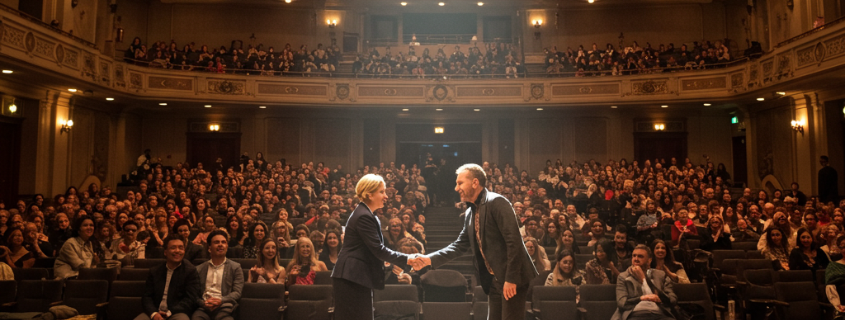
Entertainment is a key pillar of any event, and event planners must maintain connections with artists to ensure the availability of entertainment professionals. These artists can include everyone from musicians to talented anchors who can kick up the elegance of any event to new heights with their charm and talent.
Experienced event planners also have connections with top Bollywood celebrities and negotiate contracts for their appearances at events. This is also why many professionals choose this field, as they have access to the most elite personalities in the entertainment industry.
5. Laying Out A Written Plan

Once all of the ideation and planning are complete, it is time to put it down as a written plan that outlines the chronology of the event’s activities and progressions. The written plan also contains the requirements for each activity to bring out all the details for the event planner. planners can follow a clear event planning checklist to ensure every detail is accounted for from start to finish
The written plan also serves as a guideline for the event planner to figure out which accommodations or supplies have to be arranged next. They can follow this written plan during the execution to check if everything is going as planned.
6. Formulating a Comprehensive Budget

After finalising the event plan in writing, the event planner has to budget exactly how much the event will cost by analysing all facets of the event, from decorations to hospitality. With their experience, they can not only predict how much the event will cost in advance but can also estimate where they can save costs.
They have to do this all while staying within the client’s budget, which is a tedious task when you’re trying to make the event as exquisite as possible. And if there are any budget overruns or savings, they all have to be mentioned within the comprehensive budget report.
7. Collaborating With Vendors and Suppliers

Speaking of fixing costs for event supplies, event planners also have to collaborate with various vendors and suppliers to ensure that all the materials required for the event are acquired in time. Special connections with vendors and suppliers also make event planners eligible for discounts and reference bonuses for consistent bookings.
In situations where a supplier fails to do their part in providing materials, an event planner’s network comes in handy to find backup suppliers to remedy the issue instantly. This is why reputed event planners are especially sought after, as they can easily handle such unexpected situations.
8. Understanding Event and Venue Limitations

Planning for all the event’s fancy elements requires a rudimentary understanding of the venue’s location and limitations. Event planners go out to new venue locations to tour the place and understand which decorations would be best to match the atmosphere and what restrictions should be taken into consideration. Understanding event and venue limitations often starts with choosing the right event venue that aligns with your theme and guest capacity.
Experienced event planners usually have all of the information on local venues, and can usually skip this step to save time. Some of the common limitations that event planners have to deal with are parking spaces, venue capacity, and noise level restrictions.
9. Clear Communication of Deliverables

After planning and budgeting everything that will happen in the event, the planners will have to communicate this to the stakeholders involved. While this may sound simple, it requires a lot of skill to make sure the message gets through without any miscommunication of deliverables.
This is critical because it protects the event planner from any liabilities that the vendors or clients may try to push. Event planners also make sure to get the deliverables approved on paper to have records of the agreed terms to maintain the utmost clarity in their operations.
10. Overseeing the Execution of Your Ideas

After everything is said and done, it is finally time for the event planner to orchestrate the installation of all event elements and activities exactly as planned. Only the event planner can do this as they made the whole plan, and now they are responsible for supervising the entire execution process to ensure its alignment with the plans.
If the event planner spots any mismanagement, they have the authority to step in and guide the involved personnel on how to do things right. Once all of the arrangements have been handled successfully, the event planner can hand over the management to any other administrator or organiser as required.
11. Exploring More Events to Plan and Organize
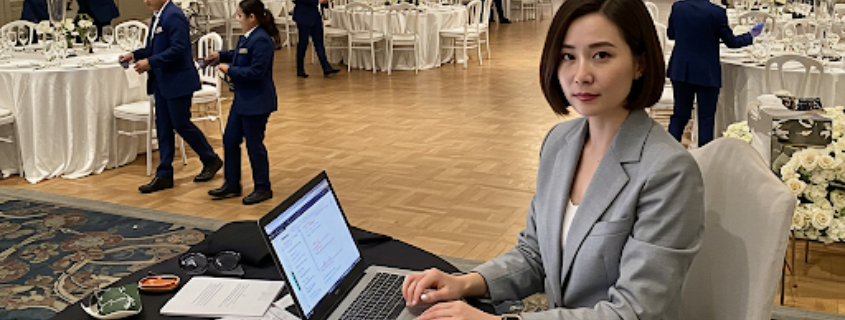
An event planner’s day isn’t just fixated on organising a specific event. Throughout the entire day, event planners also constantly look out for more events to organise as it is their primary source of income unless they are working with an agency.
Luckily, in the modern day, there are plenty of platforms where industry professionals can find new clients who are looking for capable event planners. These platforms are excellent for everything from finding new events to connecting with other vendors to expand your network and find better partnerships for upcoming events.
Inspired by an Event Planner’s Day?
From managing corporate conferences to organising religious ceremonies and social celebrations, EventBazaar.com connects you with expert Corporate Planners, Religious Planners, and Social Celebration Planners who bring your vision to life effortlessly.
The Day’s Final Bow: Life as an Event Planner
Seeing all the tasks that an event planner has to do daily might seem like a hassle to some, but for others, it is a dream career where they get to organise distinctive experiences. In this way, it is a totally unique career that lets you experience the perks of flexibility and creativity.
One of the common challenges that event planners have always faced is finding new clients, but even that is no longer a challenge because platforms like EventBazaar.com exist. Using such platforms, event planners can readily find new clients to organise events for without hunting for gigs in the traditional manner.
FAQs
Is being an event planner difficult?
The difficulty of being an event planner mainly depends on your work preferences and personality. To be a successful event planner, the ideal candidate must possess strong critical thinking and problem-solving capabilities to handle the stress of managing events. However, for professionals who like working in a fast-paced career, event planning is ideal as it matches their drive and passion for handling unpredictable work conditions.
Are there any formal qualifications to become an event planner?
Generally, modern event planners hold degrees in mass media communications or hotel/event management. However, graduates with any degree may be able to pivot into this career with enough internships and hands-on experience to get a solid understanding of the industry and its nuances.
How do event planners build industry connections?
Much like any other industry, event planning requires months of hard work and collaboration to build solid connections within the industry. While modern platforms like EventBazaar.com make the process of meeting high-profile clients and vendors, the event planner will still have to build their reputation with them by successfully organising new events consistently. Doing this will give them more recognition within the industry and open doors for new opportunities.
How do event planners get clients?
Typically, event planners rely on agencies and local listings to check for new events to organise, along with referrals from past clients. However, modern event planners have moved their entire client acquisition process online with platforms like EventBazaar.com, where they advertise their services and get clients directly.