
Planning an event can feel like juggling a hundred tasks at once. Imagine you are hosting a milestone celebration, and just as the first guest arrives, you realise you forgot the microphone for the speeches or the keynote speaker bailed on you.
Stressful, right? That’s where a well-crafted event planning checklist becomes your secret weapon. Whether it’s a wedding, corporate event, or birthday party, having a clear roadmap saves time, avoids last-minute chaos, and ensures nothing is overlooked.
From the excitement of designing invitations to the final cleanup, this blog takes you step-by-step through the process. With practical tips and actionable steps, this guide helps you plan accordingly, leaving you free to enjoy the event without worrying about the details. Let’s make your next event unforgettable!
Event Planning Checklist: Your Ultimate Step-by-Step Guide in 2025
Plan your perfect event with this comprehensive 2025 step-by-step checklist.
Step1: Planning 3-4 Months Before
1. Setting Up the Foundation of Your Event

Pre-mature event planning often encounters last-minute problems, so planning before the event date is always wise. Planning 3-4 months in advance gives you ample time to establish your goals, define your event’s purpose, and set measurable objectives. If you’re stepping into the event planning industry, here’s how to register your event management company in India.
What you must consider in building your event’s foundation?
- Create a list of venue options: Popular spots are usually booked in advance, making it challenging to select your top choice. For example, sought-after locations like Jaipur’s palaces or Mumbai’s banquet halls require early reservations.
Planning this far ahead helps you research options within your budget, considering factors like location, capacity, and amenities to secure the best deal.
- Creating a Budget: A budget helps you ensure all responsibilities and requirements are fulfilled without overspending. Account for major aspects like catering, decor, entertainment, food and a contingency plan that minimises financial surprises.
- Choose a Theme: A theme enhances the attendee experience and informs decor, invitations, and programs. Always take time to resonate your event with the best themes.
- Assemble Your Team: Assign specific roles and responsibilities to ensure efficient task management. Hire local staff to manage logistics, coordinate with vendors, or handle guest lists for large-scale events.
- Create a master plan: To tie it all together, create a master plan outlining key event milestones, deadlines, and responsibilities, acting as your event’s roadmap. This plan keeps you on track and prepared for what’s to come as the big day approaches.
Starting your preparations early and building a strong foundation helps keep your event on track and delivers an unforgettable experience. Include a shortlist of corporate event themes in your planning checklist to align décor, messaging, and branding.
Tip: Use platforms that provide free and paid event planning checklist templates. Popular businesses include Etsy, Oneplan, Examples.com, etc.
2. Strategically Allocating Your Event Budget

A well-planned budget is key to avoiding overspending and ensuring every expense is accounted for. Here’s how to allocate it smartly:
- Break Down Costs: List all expenses—venue, catering, decor, marketing, and miscellaneous fees.
- Use a Framework: Apply the 50-30-20 rule—50% for essentials, 30% for experiences, and 20% for contingencies.
- Negotiate Smartly: Compare quotes, bundle services, and request discounts to save on major costs.
- Prioritise ROI: Spend on elements that enhance user experience, like quality catering or engaging decor.
- DIY for Savings: Manage simple tasks in-house, such as invites, decor, or registrations.
- Leverage Technology: Track expenses with tools like Google Sheets or budgeting apps.
- Plan for Surprises: Set aside 10–15% of your budget for hidden costs or emergencies.
- Think Green: Choose digital invites, reusable decor, and local vendors for eco-friendly savings.
Note: Use tools like Excel or event budgeting software to categorise and monitor expenses. Track penalties or additional costs to stay on budget.
Step 2: Planning 1-2 Months Before
3. Securing Event Venue
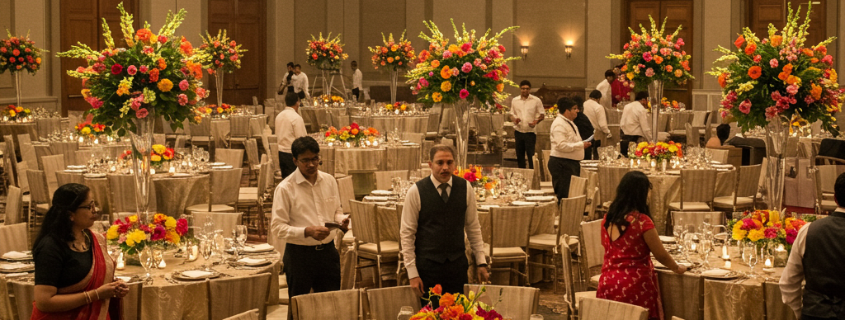
Securing your event venue is crucial, especially during peak celebration periods. High-demand seasons often lead to limited availability and increased costs. The Indian wedding services market, for instance, has been witnessing rapid growth, making early venue selection crucial to avoid last-minute challenges.
How do you choose the right venue?
- Word-of-Mouth Recommendations: Personal referrals from family, friends, or colleagues can provide honest insights into a venue’s management and service quality.
- Online Listing Websites: Utilize platforms that offer a comprehensive list of event venues across India, including details on facilities, locations, and contact.
Ensure the venue can comfortably accommodate your guest list. Evaluate multiple locations, considering size, past foot traffic, and proximity to public transport. our guide on choosing the right event venue offers practical tips to help. For example, you can use venues like Pragati Maidan in New Delhi and Taj Lands End in Mumbai to host large-scale events. For smaller events, boutique hotels or banquet halls in your city are more appropriate.
Verify if any permits are required and understand your liabilities. You must ensure compliance with specific regulations like noise and alcohol permits or special venue permissions and check if there is any insurance coverage for the venue.
4. Sending Invitations or RSVPs

After finalising your venue, sending out invitations to your guests promptly is essential to your event planning checklist. Depending on the event’s nature and the guest type, it’s better to curate an invitation card based on the guest count and location of the recipient.
- Digital Invitations: With increasing internet penetration in India, e-invites have become a popular eco-friendly choice for many events. Platforms like InvitePro and Canvera allow you to create and send personalised digital cards in multiple Indian languages, catering to diverse audiences.
- Printed Invitations: Printed invitations remain the heart of traditional events, especially in Indian weddings, baby showers, and religious ceremonies like house pujas or Satyanarayan Katha. They add sentimental value and are often kept as keepsakes by recipients to ensure memorable experiences.
Ensure best practices like:
- Sending invitations at least 6-7 weeks before the event. It gives guests ample time to make travel arrangements.
- Including essential information such as date, time, venue (with landmark), dress code(if any), and contact details for RSVPs.
- For traditional events, incorporate elements like Ganesha motifs, Kalash designs, or lotus patterns to make your invitations resonate with Indian customs.
- Consider following up with guests for important events a week before the RSVP deadline.
Invitations are crucial to building a strong guest presence and ensuring you have ample resources to serve all your guests alongside entertainment and decor.
5. Ensure You Have Return Gifts

Expressing gratitude to guests through return gifts is a long tradition in Indian events. It not only acknowledges their presence but also leaves a lasting impression. For corporate events, explore unique corporate gift ideas like personalized notebooks or premium hampers.
- For Guests: Consider gifts that resonate with cultural significance and utility, like handcrafted jewellery boxes (wooden carved), traditional brassware (diyas, pooja thalis), or eco-friendly products (Bamboo planters, reusable jute bags).
Boonton suggests options like Meenakari-designed artefacts that reflect Indian artistry and traditional culture. To give a personal touch, tie your gifts to the theme of your event. For example, a wedding with a royal theme can include small brass idols, while a corporate event may focus on utility items like leather or branded notebooks.
- For Key Participants: Keynote speakers, entertainers, or VIP guests deserve gifts that stand out for their importance. Items like silver pens, custom plaques, premium watches, hampers with artisanal teas, gourmet chocolates, and wellness products help serve as unique gift ideas for your key attendees.
Thoughtfully selecting and presenting return gifts conveys heartfelt connections toward your guests and respect for their presence.
Step 3: Planning 1-2 Weeks Before
6. Sharing Roles and Responsibilities

The final weeks before your event are crucial to eliminate any irregularities in the event planning checklist. Revise your event blueprint, document all your tasks, and analyse contingency plans to ensure every aspect of the event is handled with precision.
Steps to finalize your planning checklist:
- Review Your Event Blueprint: Double-check all tasks and ensure nothing is missed, from the guest list to the schedule. Walk through the entire event plan as if you were an attendee to spot any gaps.
- Assemble a Reliable Team: Assign clear responsibilities, such as:
-
- Managing venue setup to ensure a welcoming and functional layout.
- Overseeing guest flow, including check-ins, RSVPs, and seating arrangements.
- Coordinating entertainment like DJs or speakers to ensure everything runs smoothly.
-
- Leverage Individual Strengths: Utilize team members’ expertise for specific areas. For instance:
-
- A tech-savvy family member can handle event apps or livestreams.
- Someone experienced with guest interactions can manage inquiries or on-site assistance.
-
- Schedule Regular Updates: Hold daily or weekly check-ins to track progress and address any concerns.
- Document Everything Clearly: Provide everyone with clear instructions, checklists, and contact details to avoid misunderstandings and ensure quick problem resolution.
- Prepare for the Unexpected: Keep a buffer for unplanned situations like technical issues, schedule changes, or extra guests. Having a contingency plan in place helps you stay flexible and prepared.
7. Crafting Your Event Timeline and Script (if any)
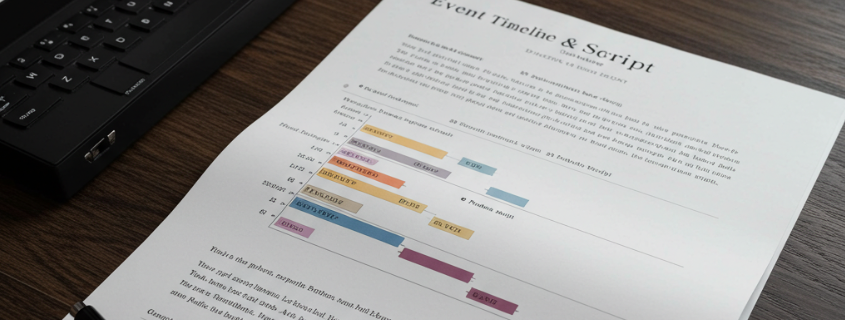
An event timeline helps you verify that the entire plan is in order, from preparation to cleanup. It helps you ensure that your event planning checklist is effective.
- Map Every Task: Begin with pre-event activities like vendor arrivals and extend to post-event wrap-up, assigning deadlines and team members responsible for each task.
- Highlight Critical Dates: Pinpoint milestones such as:
-
- Vendor confirmations
- Marketing launches
- Rehearsals or tech checks
-
- Build Buffer Times: Allow extra time for unexpected delays, such as late deliveries or last-minute guest changes. This flexibility prevents the schedule from derailing.
8. Managing Event Logistics

Logistics is essential to cater your event with unique culinary dishes and beverages. Consider evaluating logistics management to tie together all your event planning checklist aspects. Cross-check with your caterers, entertainers, equipment suppliers, and decorators, and share an event schedule with them. Catering is a big part of any event. Learn how to choose the best catering services to make your event unforgettable.
It can include details like delivery and setup times alongside clarifying your equipment requirements, like audio-visual setups, tables, decor designs, and backup generators. You might also want to check for noise and parking permits to avoid any mismanagement of the law.
Upon the venue confirmation, check for safety measures in the building, like fire exits, first-aid availability, and accessibility for all attendees, including those with disabilities.
Step 4: The Event Day
9. Ensuring an Applaudable Event Day

The day of event execution is your ultimate step to the checklist, carrying the most chances of a potential setback or event breakdown. You must arrive early at the venue to inspect every detail, like seating arrangements, sound checks, lighting, etc. To keep guests entertained and engaged, incorporate top corporate event games that foster interaction.
Ensure no last-minute mishap ruins the event flow, and thoroughly check that all the staff members are assigned their respective duties with the required tools. You can use a walkie-talkie or group messaging platform for real-time communication.
Moreover, a welcome desk or help station should be set up to assist attendees, and marked signs for directions, restrooms, and key areas should be created to minimise confusion. Keep a close eye on the schedule and ensure activities run on time. Be proactive in resolving any delays in food service or technical breakdowns.
10. Post-Event Follow-Up and Cleaning
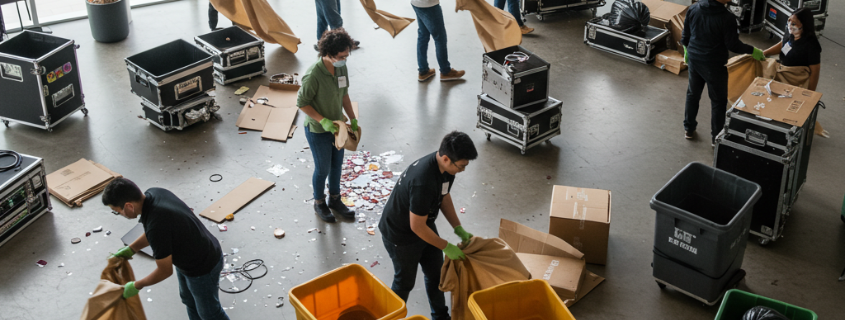
Once the event concludes, your first aim should be wrapping up essentials and dumping the garbage to deliver to the venue with utmost tidiness and precision. It helps you align your event planning checklist with sustainable practices serving the environmental cause.
Start by aligning a clear plan with your team and staff to assign specific tasks such as dismantling decor, packing equipment, and clearing trash to designated individuals or teams.
Check the venue’s guidelines for cleanup responsibilities to avoid additional charges. Dispose of waste responsibly, separating recyclables and non-recyclables as required. If rented equipment or decor items are involved, ensure they are packed and returned to vendors on time to avoid extra charges.
Ask your event vendors, venue manager-hired staff and event managers for digital forms or QR codes to share feedback on their efforts to execute the event flawlessly. For corporate-specific planning, follow this detailed corporate event planning guide tailored for company events.
Checklist Ready… But Need Help Executing It?
Turn your event planning checklist into reality with expert event management companies on EventBazaar.com. They’ll handle everything from logistics to last-minute fixes, so you don’t have to.
Create An Event Planning Checklist to Ensure Effortless Execution
An event planning checklist is more than just a blueprint—it’s your roadmap to creating memorable experiences. From securing the perfect venue to managing logistics and guest arrivals, a well-structured checklist ensures that every detail is accounted for.
It saves time, reduces stress, and allows you to focus on what truly matters—hosting a successful event. With Event Bazaar, you can access trusted vendors and evergreen concepts tailored to your event type. Start planning today and transform your event into an unforgettable experience.
FAQs
What tools can I use to simplify event planning?
Event management tools like Eventbrite, Trello, and Canva are invaluable. They streamline processes such as sending invitations, managing guest lists, and tracking tasks efficiently. Trello helps organise to-dos, Canva provides custom designs for invites, and Eventbrite simplifies ticketing and RSVPs.
How do I handle vendor cancellations at the last minute?
Vendor cancellations can be stressful, but having a backup vendor list is crucial. Identify reliable alternatives during your initial planning. Quickly confirm availability by contacting vendors from your backup list and communicating your requirements clearly to avoid delays.
What are some cost-saving tips for event planning on a budget?
To save costs, choose off-peak dates for your event, as venues are often more affordable. Opt for DIY decor and negotiate with vendors for competitive rates. Using digital invitations instead of printed ones can also reduce expenses while being eco-friendly.
How do I ensure my event is eco-friendly?
Reduce waste by choosing digital invites, reusable decor, and eco-conscious catering options. Work with vendors committed to sustainability, and consider donating leftover food to charities. Small changes like these can significantly reduce the event’s environmental impact.
What should I do if guests don't RSVP on time?
Follow up with non-responders via email, call, or text reminders a week before the RSVP deadline. To make the process easier, use tools like Google Forms or RSVP trackers that allow guests to respond quickly and conveniently.