Looking for Vendor Portal ?  Click here

Author name: eventbazaar

Catring Service blog
Corporate

9 Types of Catering Services You Need to Know for Your Next Event

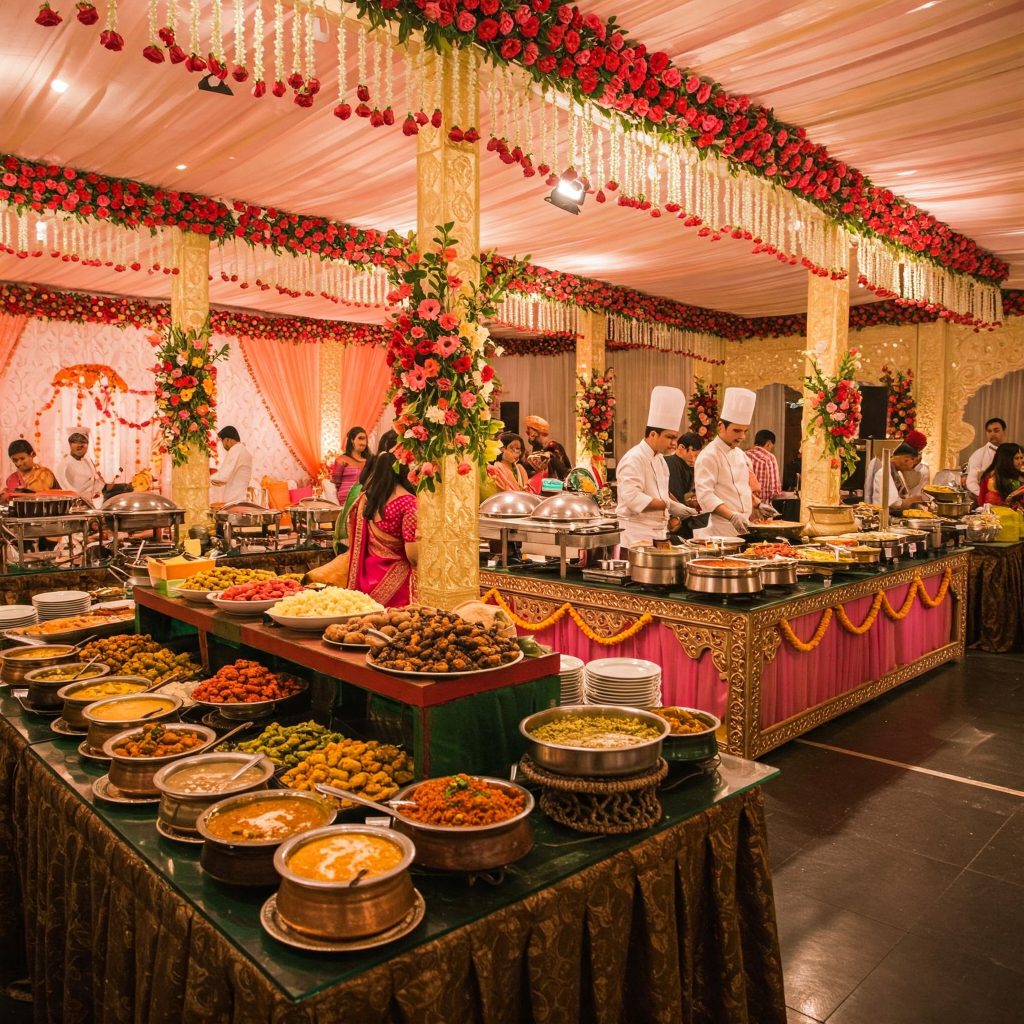
Ah, Indian weddings – where the aroma of fresh biryani mingles with the sound of laughter and celebration! When we say “shaadi ka khana,” it’s not just about filling plates; it’s about creating memories that last forever. In India, food isn’t just part of the celebration—it’s the soul of it! Whether it’s a lavish shaadi or a small family puja, catering is no longer just about feeding people. It’s about crafting an experience that lingers on your taste buds and in your memories. Ready to know more? We’ve got nine different types of catering services that can make your next event so special your guests won’t stop talking about it! 9 Types of Catering Services for Your Next EventSponsors Planning an event involves countless decisions, and food is undoubtedly one of the most memorable aspects for your guests. Choosing the right catering service can make or break the overall experience. Here are 9 types of catering services to help you pick the best fit for your next event: 1. Full-Service Catering Full-service catering is the ultimate choice if you dream of hosting an event where everything flows seamlessly. This style is designed for those who want every detail to exude luxury and perfection. Whether it’s your daughter’s wedding or a milestone corporate gathering, these culinary experts work their magic behind the scenes. The moment you share your vision with them, they become your event’s backbone – planning every flavour, managing every plate, and ensuring your guests can’t stop talking about the food for months to come. After all, why should you spend time worrying about the biryani when you can be busy collecting compliments? What’s Special? Customized Menus: Imagine a curated menu that reflects your preferences, from classic Indian delicacies like butter chicken and dal makhani to global favorites like risotto and sushi. Whether you want a Mughlai feast or a continental spread, the options are endless. Impeccable Service: From arranging elegant dining setups to ensuring guests are served with finesse, the staff handles everything—setup, service, and cleanup—with professionalism. Themed Presentations: Whether it’s a royal Rajasthani theme or a modern minimalist vibe, the presentations are designed to wow your guests and enhance the event’s ambiance. Why this works? Full-service catering often includes additional perks like floral arrangements, lighting, and even entertainment coordination, making it the go-to option for events where the “wow” factor is non-negotiable. Best Suited For: Weddings, corporate galas, and large-scale events. 2. Wedding Catering Indian weddings are synonymous with grandeur, and the food takes center stage in these celebrations. Wedding catering blends the richness of tradition with modern culinary innovations to deliver an unforgettable experience. Want to pair the perfect food with a stunning setting? Don’t miss the latest mandap decoration trends for an elevated wedding experience. After all, what’s a big fat Indian wedding without uncles debating whether the paneer was better than the biryani? What’s Special? Lavish Thalis: Imagine a feast featuring signature regional dishes like Rajasthani dal baati churma, Bengali fish curry, and Kerala-style appams. Thalis are a reflection of India’s culinary diversity. Live Counters: The excitement of watching chefs whip up fresh pani puri, steaming dosas, or sizzling kebabs adds a dynamic vibe to the event. Fusion Cuisine: Modern twists on classics, such as momo manchurian or masala sushi, ensure there’s something for everyone. Why this works?Wedding catering is designed to reflect the couple’s tastes while honoring the cultural significance of the occasion. Guests leave with full hearts and even fuller plates. Best Suited For: Shaadis, sangeets, and receptions where the food becomes a highlight of the celebration. 3. Corporate Catering Gone are the days of boring office sandwiches! Today’s corporate catering is where professionalism meets pizzazz. Whether it’s impressing potential clients or treating your hardworking team, these culinary experts know how to keep energy high and taste buds happy, all while maintaining that perfect corporate vibe. For formal settings like corporate events, check our corporate event planning checklist to streamline everything from seating to catering coordination. What’s Special? Healthy Options: Power-packed dishes like quinoa salads, grilled paneer wraps, and fresh fruit platters energize your team while catering to diverse dietary needs. Professional Presentation: Sleek setups and neatly plated dishes reflect the professionalism of your company. Quick Service: Caterers understand time constraints and ensure food is served efficiently without compromising quality. Why this works?Food tailored to professional environments helps create a relaxed yet productive atmosphere. Impressing clients and delighting employees becomes effortless. Best Suited For: Conferences, product launches, and team-building events where food plays a supporting but vital role. 4. Buffet Catering Buffet catering brings vibrancy and variety to your event. It’s a casual and versatile option where guests can serve themselves and enjoy a wide array of dishes. Creative setups like dessert walls, salad bars, or themed counters (like “Chaat Street”) enhance the experience. What’s Special? Diverse Menu: From starters like crispy pakoras to mains like biryanis and desserts like gulab jamuns, buffets offer something for everyone. Live Counters: Guests can relish freshly prepared dishes like hot jalebis, sizzling tikkas, or even international fares like pasta. Interactive Experience: The self-serve format encourages mingling and adds an element of fun. Why this works? Buffets are cost-effective and perfect for large gatherings where guests have different preferences. The variety ensures no one leaves hungry. Best Suited For: Family get-togethers, weddings, or festivals where food is at the heart of the celebration. 5.  Plated Dinner Catering Plated dinner catering offers a sophisticated dining experience, perfect for more intimate or formal events. Guests are treated to beautifully presented meals served with finesse. Plated dinners often include multiple courses, from appetizers to desserts, each served in a coordinated sequence. What’s Special? Gourmet Cuisine: Think dishes like saffron risotto, tandoori lamb chops, or chocolate fondant, all plated to perfection. Attention to Detail: Every plate is crafted to look and taste exquisite, ensuring a luxurious experience for each guest. Personalized Service: Servers attend to every table, creating a refined atmosphere. Why this works? This style combines exclusivity and


Corporate

How to Find Sponsors for an Event​? 10 Ways to Attract the Right Partners

If you are planning to have an event, then you know that finding sponsors is one of the most critical yet confusing phases that you may face. But knowing how to find sponsors for an event may be simpler than you think, especially if you have a structured guide that outlines everything that needs to be done. This is where our guide on finding an event sponsor comes in where we will discuss everything from the importance of sponsors to the actionable tips you can use to make conversion easier. So, without any further ado, let us explore the best ways to find sponsors and how to convince them to become your strategic partner. Why Sponsors Are Essential for Some Events? Every successful event has many elements that go into making them special. Every successful event has many elements that go into making them special. Using an event planning checklist can help ensure none of those essentials are missed. Usually, these elements are expensive, and the organizers may not always have the funds necessary to make it happen. This is especially the case for non-profit or charity events where sponsors can play a pivotal role in making the event possible. Typically, sponsors donate funds to the events for exposure and advertising opportunities or to support a cause they believe in. Knowing the difference sponsors can make, you would want to partner up with them to make your event better. To do this, you can follow the top 10 ways to find event sponsors given below, to make your journey of finding sponsors a lot easier. Top 10 Easy and Innovative Ways To Find Event Sponsors In our list of the best ways to find a sponsor for your event, we have featured ways that range from using digital platforms to networking in person to give you an assortment of strategies. Based on these options, you can find the strategy that best suits your style and get started on finding sponsors for your event. 1. Scour Social Media Accounts An essential step to finding event sponsors in 2025 is to scour the social media accounts of prolific sponsors in your area. When scouring social media accounts for potential sponsors, start by identifying and following companies that align with your event’s theme, audience, and values across platforms like LinkedIn, Instagram, X, and Facebook. Pay special attention to brands actively engaging in event sponsorships by searching relevant hashtags like #eventsponsorship, #sponsoredevents, or industry-specific tags. Study their posting patterns to understand which types of events they typically sponsor and how they promote these partnerships. 2. Research Sponsors for Similar Past Events If your event appeals to a particular audience, then you should look up past events with the same target audience to see which sponsors were featured. When you discover these sponsors, you can investigate the kind of benefits they were given and see their preferences in sponsorship deals. After collecting all of this historical data, you can move on to creating your pitch for your event and send it to them. Given the history of this sponsor, you can be fairly confident that they will accept your proposal if you have done your research. 3. Network with Other Event Planners One of the fastest ways to find hidden sponsors is to network with other event planners and ask for their counsel on finding sponsors for your event. Upon having this conversation with multiple peers, you can potentially find businesses that would be more than happy to be your partner and fund your event. This method not only helps you with the discovery of opportunities, but you can also ask for advice on dealing with the newly discovered sponsors. Overall, using your networking skills in this manner is highly encouraged due to its simplicity and speed in finding patrons for your event. 4. Promote Your Event Online Promoting your event online significantly opens up the possibility for discovery. This transforms your sponsorship strategy from relying on outbound lead generation to getting inbound inquiries. You can promote your event on your website and optimise the page for SEO or use social media, but the primary objective will be to increase your event’s visibility. Chances are that businesses and individuals will stumble upon the details of your event and volunteer as a potential sponsor. This method of getting sponsorships will test your capabilities in creating viral content, but it will stand as a long-term avenue to get sponsors for current and future events. 5. Attend Industry-Specific Events Immersing yourself in industry events provides unparalleled opportunities to connect with potential sponsors face-to-face and understand their sponsorship priorities. When attending trade shows and conferences, focus on visiting exhibitor booths of companies that align with your event’s objectives. Take time to understand their marketing goals and partnership preferences to schedule meetings with decision-makers who are present at these events. Use professional digital marketing services for events to boost visibility and registrations. Use informal networking opportunities during social hours to build genuine relationships with brand representatives who could become future sponsors. 6. Explore Sponsorship Platforms In the digital age, there are plenty of dedicated platforms that enable businesses to find events where they may be able to market their products. If you have posted about your event on such platforms, you may be able to connect with potential sponsors directly rather than using complicated conversion and discovery tactics. This rapidly accelerates the time that it takes to arrive at the negotiation phase, as all of the formalities of presenting sponsorship proposals are dealt with in advance. Suffice it to say, these sponsorship platforms do have the advantage of finding sponsors right away, the cost of dealing with competition from other event organisers. 7. Leverage Existing Partnerships If you have had any sponsors in the past or have relationships with businesses or suppliers, then it is a great idea to reach out to them with a sponsorship proposal. Since you have had interaction with these businesses before, the trust is

Corporate

How to Register an Event Management Company in India?

With the rise of top-of-the-line events all across India, the opportunities for new event management companies have increased significantly. This is why it is so crucial for new business owners to Before diving into business registration, it’s helpful to understand what an actual event planning checklist looks like. understand how to register an event management company in India for 2025. However, the business registration process may not seem very clear at first glance and to help you navigate its nuances, we have crafted a simple guide that you can follow. In this guide, we will be breaking down the process of business registration step-by-step while covering everything from legal structures to tax obligations. 10 Steps To Register Your Event Management Company in India The process of business registration in India for an event management company involves multiple interconnected steps which makes it difficult to know what to do first. This is why our step-by-step list of tasks is ideal as it gives you a chronological approach to registering your new business. So let us dive straight into the process you need to follow starting with step 1. Step 1: Choose a Legal Structure For Your Business Based on your event management company’s scope there are multiple legal structures to choose from. However, the basic difference between these structures is the level of liability and regulations that you will have to comply with. This is why a lot of new event management companies choose to go with the sole proprietorship model, where only one owner handles the entire business. Meanwhile for business owners who are more ambitious, structures like Limited Liability Partnerships (LLPs) may be more beneficial since it allows you to have multiple partners onboard. All in all, the selection of the legal structure of your business will dictate the future expansion and compliance requirements. Step 2: Define Your Business Model Defining your business model is a crucial step, as it outlines how your business will create, deliver, and capture value. Start by identifying the types of events you want to specialise in, such as weddings, corporate events, concerts, or conferences. Consider the services you’ll offer, like event planning, venue selection, catering, decoration, or technical support. Defining your business model not only helps in setting clear objectives and strategies but also plays a vital role in attracting investors, securing funding, and building a sustainable business. A well-defined business model will serve as the foundation for your company’s operations and growth Step 3: Register Your Business’s Name The step of registering your business name is one that is driven by your sentiments towards your brand since all communications and agreements will be made with it. It advised that you take a lot of thought and consideration for this step as it will seal the identity and recognition of your brand. Once you have fixated upon a good business name, you can go to the Ministry of Corporate Affairs to check its availability. The name should also comply with the naming guidelines set by the Companies Act, 2013, to avoid rejection during the registration process. After confirming the availability, you can proceed to register the name along with your chosen legal structure.  Once you’re officially registered, the next step is learning how to plan a corporate event effectively—from budgeting to execution. Step 4: Obtain a Digital Signature Certificate and Director Identification Number To officially register your event management company, obtaining a Digital Signature Certificate (DSC) and Director Identification Number (DIN) is essential. A DSC is required to digitally sign electronic documents submitted to the Ministry of Corporate Affairs (MCA) during the registration process. It acts as an electronic proof of identity and is issued by licensed certifying authorities. The DIN, on the other hand, is a unique identification number allotted to individuals intending to become directors in Indian companies. It is mandatory for every director and is issued by the MCA upon submitting an online application along with supporting identity and address proofs. The DIN ensures that all directors are traceable and accountable. Together, the DSC and DIN streamline the process of company registration and interactions with government authorities. Step 5: Set Up Separate Bank Accounts and Tax Documents Any business must always have different bank and taxation accounts to keep business and personal finances separate. Doing this is mandated in partnerships but even for proprietorships, it increases personal accountability and discipline. Choose a bank that offers services tailored to businesses, such as business loans, credit facilities, and online banking tools, which can streamline transactions and payroll processing. Additionally, registering for tax documents like the Permanent Account Number (PAN) is mandatory in India. The PAN is required for all financial transactions, including opening a bank account, filing tax returns, and receiving payments above a certain threshold. Step 6: Complete GST Registration for Your Company Based on the state that you live in, if your business exceeds an annual turnover of 10-20 lakh rupees, you will have to register for Goods and Services Tax (GST). The registration process involves applying online through the GST portal, where you’ll need to provide details such as your business name, PAN, bank account information, and proof of business address. Once registered, you will receive a unique GST Identification Number (GSTIN), which must be quoted on invoices and used for filing regular GST returns. This number helps in claiming input tax credits on purchases, ensuring your business remains compliant with tax laws. GST registration not only legitimizes your operations but also enhances your company’s credibility. Step 7: Draft Operational Agreements Drafting operating agreements is a step that is often overlooked by new businesses, but it is absolutely vital if you want to set clear roles and responsibilities within your company. Essential documents like partnership agreements, Memorandum of Association (MOA), and Articles of Association (AOA) clearly outline the roles, responsibilities, and ownership stakes of all involved parties. For partnership firms, the partnership agreement details profit-sharing ratios, decision-making processes, and conflict-resolution mechanisms, ensuring smooth collaboration between partners. In the

Corporate

A Day in the Life of an Event Planner: What is it Like To Plan Events for A Living?

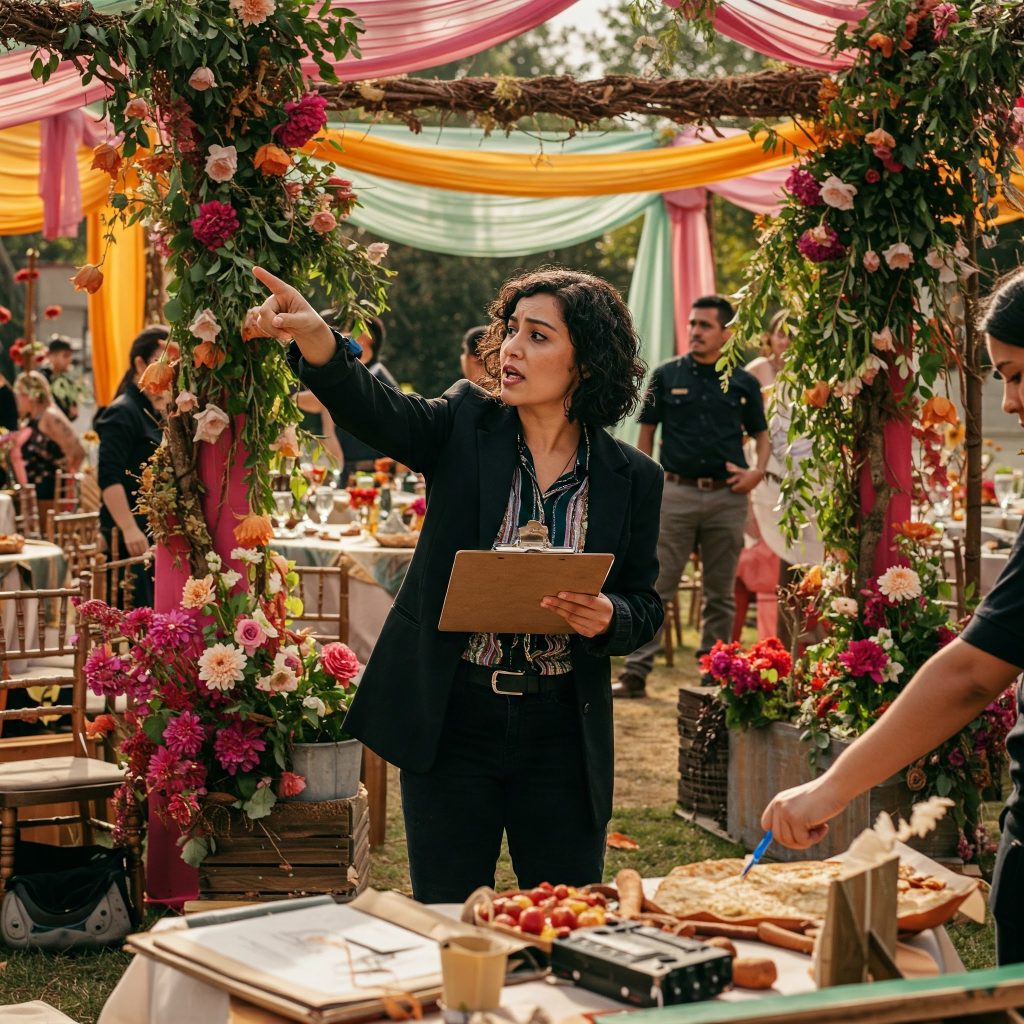
In the world of new and emerging career fields, event planning is rapidly gaining popularity as it allows professionals to experience hands-on work and meticulous planning at once. But what is it like to truly be an event planner, and what does a normal day in the life of an event planner look like? If you have the same questions in your mind, then you have come to the right place, as we will be looking at all of the tasks and responsibilities that an event planner has to deal with on a daily basis. But before we dive into that, let us understand why the role of an event planner is so crucial in modern events and conventions. Introduction to the Role of Event Planners People can plan an event for weeks, but there is still a lot of uncertainty in knowing if the guests are going to like it. Much like cooking, many ingredients have to come together to make an event feel good, and event planners act as the chefs in this instance, where they know exactly which elements are compatible with each event. With years of experience, they know exactly which decorations and activities will make your guests feel comfortable and engaged. This is why most organisers and sponsors prefer working with professional event planners to ensure that their event is memorable and cherished by all the guests. Now that we know how pivotal the role of an event planner is for any celebration, it is time to understand exactly how they make it happen daily by looking at key parts of their day. Key Parts of A Day in The Life of an Event Planner An event planner’s day is a dynamic mix of continuous engagement and meticulous supervision. Let’s break down exactly how often they interact with different parties and what else they do to ensure the smooth progression of an event. 1. Interaction with Customers One of the most integral parts of being an event planner is interacting with your customers to know exactly what they have in mind. Once event planners communicate with the customer, they can start visualizing how they can bring the client’s aspirations to life with their expertise. This includes discussing any theme preferences and guest backgrounds to understand which activities would suit the event. After collecting all the preferences and expectations, the event planners can get started on shaping the function into a memorable event.  If you’re focusing on corporate clients, this guide walks through the corporate event planning process step by step. 2. Finding Your Muse Much like any other creative field, event planning also requires the professional to take some time out to find the muse that inspires the entire event. This can be done through watching shows, socializing, and frequenting social media to scout for new trends. This part of the day can be carried out at any time and is critical for finding new ideas. Some event planners also indulge in practising some creative arts such as painting or music to find more inspiration while doing a relaxing activity. Basically, taking creative breaks is considered an important part of an event planner’s day to keep their mind fresh and active. 3. Shaping Unique Experiences for Each Event After being fueled with some fresh inspiration, event planners try to see how they can create unique experiences for each event by fusing themes and ideas from past events and new trends. Be it through games or the venue experience, they have a wide variety of elements to use. For planners handling business functions, reviewing popular corporate event themes can help tailor the experience to match the client’s brand and tone. Since they already have experience with all event elements and themes, they can judge exactly which themes will match and can plan out the featured activities accordingly. Whether their objective is to bring more glamour to an event or to make it more lively, they always have an idea that is both unique and thoroughly proven to work. 4. Building Connections with Event Entertainers and Artists Entertainment is a key pillar of any event, and event planners must maintain connections with artists to ensure the availability of entertainment professionals. These artists can include everyone from musicians to talented anchors who can kick up the elegance of any event to new heights with their charm and talent. Experienced event planners also have connections with top Bollywood celebrities and negotiate contracts for their appearances at events. This is also why many professionals choose this field, as they have access to the most elite personalities in the entertainment industry. 5. Laying Out A Written Plan Once all of the ideation and planning are complete, it is time to put it down as a written plan that outlines the chronology of the event’s activities and progressions. The written plan also contains the requirements for each activity to bring out all the details for the event planner. planners can follow a clear event planning checklist to ensure every detail is accounted for from start to finish The written plan also serves as a guideline for the event planner to figure out which accommodations or supplies have to be arranged next.  They can follow this written plan during the execution to check if everything is going as planned. 6. Formulating a Comprehensive Budget After finalising the event plan in writing, the event planner has to budget exactly how much the event will cost by analysing all facets of the event, from decorations to hospitality. With their experience, they can not only predict how much the event will cost in advance but can also estimate where they can save costs. They have to do this all while staying within the client’s budget, which is a tedious task when you’re trying to make the event as exquisite as possible. And if there are any budget overruns or savings, they all have to be mentioned within the comprehensive budget report. 7. Collaborating With Vendors

Wedding Outdoor Light Decoration
Wedding

7 Tips for Outdoor Wedding Light Decoration: Light Up Your Wedding With Confidence!

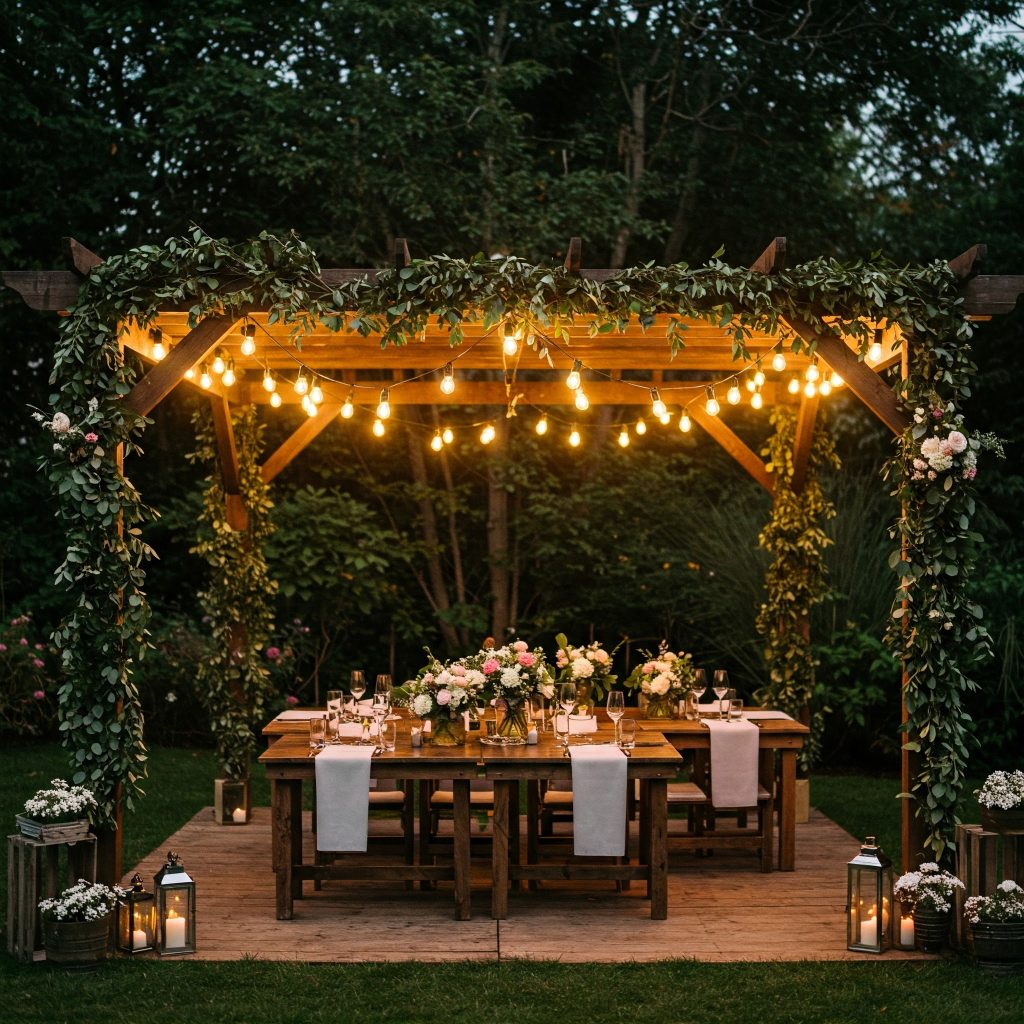
The big day is close, and you still have to figure out what to do about the outdoor lighting. Does this sound like you? If yes, then you’re on the right page! Be it for a small wedding in a backyard or a grand open wedding at a farm; our outdoor wedding light decoration guide will help you decide which lighting setup would be ideal.  In this article, we will be covering everything from the basics of understanding lighting themes to safety measures that ensure guests can have fun without risking a blackout. So, without any further ado, let’s get started with exploring the top 7 tips for outdoor wedding light decoration. The Purpose of Outdoor Light Decorations In Your Wedding At first glance, the purpose of outdoor light decorations is usually seen in terms of its functionality in brightening up the space. But, in modern weddings, outdoor lighting is not only for illumination but also for setting the entire vibe of the wedding, highlighting special places, and creating an immersive feeling. In outdoor uses, light also creates a cozy atmosphere that makes guests feel more comfortable at the venue. Well-lit pathways, dining areas, and dance floors minimise the risk of accidents while encouraging free movement. Your lighting setup can also affect how reliable it is during a power outage to keep the party going. Top 7 Tips For Outdoor Wedding Light Decoration Now that we’ve covered how proper lighting can elevate the experience of a grand wedding, let us move on to discussing how you can achieve the perfect lighting setup. The 7 tips given below are easy and actionable, which guarantees that your lighting setup at the venue will be affordable yet immaculate. 1. Use weatherproof lighting fixtures Outdoor weddings are susceptible to unpredictable weather changes, such as rain or extreme heat, which makes it important to choose weatherproof lighting equipment. These weatherproof lights not only keep your guests safe from electric hazards but also ensure that they do not stop working in such adverse weather conditions.  Weatherproof light fixtures are also wind-resistant, which helps you keep the light beams where you set them even in case of strong winds. If you happen to buy such fixtures, they also do better in storage as they are built to be corrosion-resistant and are built with durable materials. Planning your outdoor celebration? Get more Indian wedding decor inspiration to elevate your entire venue’s look and feel. 2. Understand the layers of lighting and their importance Much like a delicious wedding cake, lighting also has layers that serve their own purpose. Each layer adds exclusivity and grandeur to the venue, making weddings go from cozy to spectacular. Let us understand what each lighting layer does to make your wedding look unique. Layers of lighting:  The layers of lighting that we will cover here will be divided in terms of their functionality between area illumination and decoration. The three layers that we will focus on are ambient lighting, task lighting, and accent lighting. Their descriptions and examples are as follows: Ambient Lighting:   This is the foundational layer of outdoor lighting decorations, as ambient lighting is used to illuminate the entire venue. Since this is a functional piece of the lighting setup, customization is limited; however, this makes it easy for you to select the lighting fixtures that you would want to use. Some examples of ambient lighting fixtures are:  LED floodlights String lights Lanterns Chandeliers  Globe Lights Task Lighting:   Task Lighting is used to illuminate specific areas at the venue that are associated with a common task or activity. This lighting layer is dual-purpose as it is used for illumination and decoration. Typically, task lighting is brighter or contrasting to the ambient lighting to highlight areas such as the dance floor, dinner tables, and pathways. Here are some examples of ambient lighting fixtures: Pendant lights Lamp posts LED spotlights  Recessed lights Accent Lighting:  Accent lighting highlights specific features or decorative elements of your outdoor wedding, adding visual interest and creating a dramatic effect. It draws attention to focal points like floral arrangements, architectural details, or the couple’s wedding cake, enhancing the overall aesthetic of the event. Accent lighting fixtures include: Uplights Wrapped string lights  LED light strips Candlelights Neon signs 3. Have backup power sources Having backup power sources is essential for outdoor venues, especially remote ones, as they can sometimes experience unreliable power supplies, making a contingency plan critical. Portable generators are a popular choice, providing a dependable energy source to keep your lights, sound system, and other equipment functioning without interruption.  It’s wise to choose a generator with sufficient wattage to handle your setup and test it beforehand to avoid surprises. Additionally, battery-operated or solar-powered lights for key areas should be considered a secondary precaution. Backup power guarantees functionality and peace of mind, letting you focus on enjoying your big day. 4. Order personalised lighting elements Some lighting pieces must be custom-made, and it is best to order them in advance to ensure everything is ready for the wedding. These customised lighting pieces usually include name signs and theme-specific lighting elements. And since these elements are custom, you must remember they cannot be rented.  This is why it is best to list the minimum number of custom lighting elements to save on costs and have everything ready for the wedding. Some ambient lighting solutions may also have to be custom-made, depending on your venue. For instance, if your venue is too large, then off-the-shelf lights might not be enough to illuminate the entire space. Planning a Sangeet outdoors? Explore perfect lighting for sangeet stage decoration that adds sparkle and style.  5. Rent lighting solutions to save costs Most ambient and task lighting solutions remain common across weddings, and thus, many venues and service providers offer renting solutions that keep the costs low. If you don’t plan on using a lighting fixture for years in other events, it is typically not advised to buy them. This is because owning lighting

Wedding, Social And Celebrations Events

Why is Nashik Dhol a Must-Have at Indian Weddings and Celebrations?

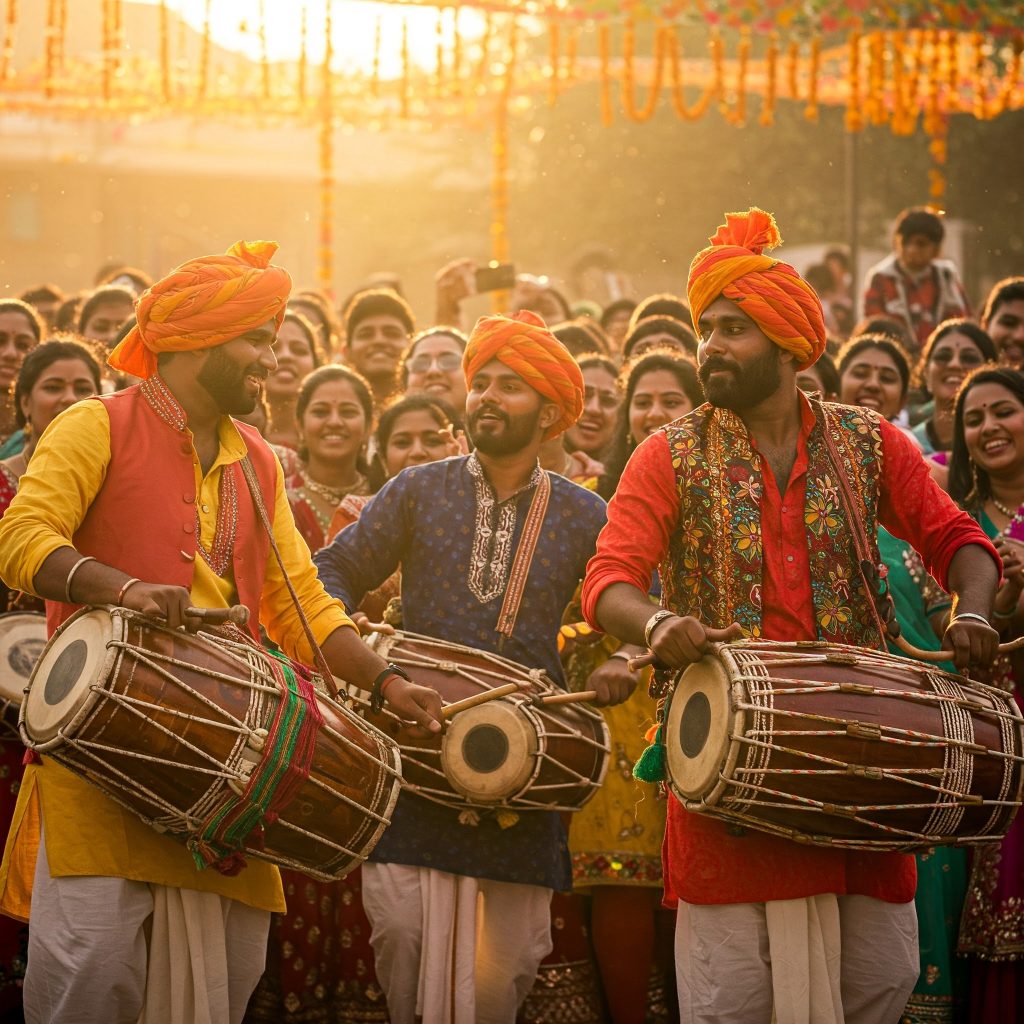
Have you ever been to an Indian celebration such as a wedding or Ganesh Chaturthi? Then, you have probably heard the iconic sound of Nashik Dhol reverberating through the air. This leads many people to wonder what makes it so special and crucial to have for Indian celebrations. To remedy the curiosities about the Nashik Dhol and its prominence in celebrations, we have created this article to discuss everything to know about this traditional instrument. So, without any further delays, let us dive straight into the details of Nashik Dhol starting from its definition. What is Nashik Dhol? The Nashik Dhol is a powerful percussion instrument originating from the historic city of Nashik, Maharashtra, known for its deep, resonating beats that instantly electrify any gathering. Unlike conventional dhols, the Nashik Dhol is much larger, producing a thunderous sound that commands attention and sets the tone for high-energy celebrations. Traditionally played in religious celebrations and festive events, it has now become a staple in Indian weddings, particularly during baraats and sangeet nights. Over time, its use has expanded beyond Maharashtra, gaining popularity across India and even in international celebrations. The Significance and Speciality of Nashik Dhol in Indian Celebrations Now that we have seen what the Nashik Dhol is, it is time to understand exactly what makes it so sought after for Indian festivals and celebrations. The reasons for its significance in this regard range from the historical heritage of the instrument to the vibe that it creates for the audience. 1. Signature Sound and Projection The Nashik Dhol is renowned for its thunderous sound, which can be heard from a great distance, making it perfect for large gatherings and open-air celebrations. Its deep bass reverberates through the crowd while the sharp, rapid beats create an adrenaline-pumping rhythm that instantly energises the atmosphere. Beyond sheer volume, Nashik Dhol’s rhythmic projection is what truly sets it apart. The synchronised beats played by multiple drummers create a pulsating, almost hypnotic effect that compels people to dance and move to its infectious groove 2. Traditional Heritage The Nashik Dhol has deep roots in Maharashtrian culture, originally used in religious processions, festivals like Ganesh Chaturthi, and political rallies. It symbolises unity, power, and celebration, with its beats traditionally marking significant moments of joy and devotion. Over time, its association with grand public celebrations led to its seamless integration into weddings and other festive events across India. If you’re planning a wedding celebration, don’t miss out on these vibrant Haldi and Mehendi decoration ideas to complement the Nashik Dhol beats. Today, it is not just a percussion instrument but a representation of India’s rich musical heritage, connecting generations through its unmistakable sound. 3. Thrill of Live Music There’s an undeniable magic in experiencing the Nashik Dhol live with the rush of adrenaline as the first beats echo through the air, sending waves of excitement. Unlike pre-recorded tracks, live dhol performances create interactive and spontaneous energy, with drummers responding to the audience’s enthusiasm and elevating the mood in real time. What makes the Nashik Dhol even more thrilling is the physicality of its performance. The drummers don’t just play; they move with the beats. This helps in adding visual flair with synchronised steps, twirls, and jumps that amplify the excitement for the entire crowd. 4. Integration with Other Instruments and Arts One of the most exciting aspects of the Nashik Dhol is its ability to blend seamlessly with other musical elements to create a rich and layered sound. It pairs exceptionally well with DJ setups, where its live beats add organic, dynamic energy to electronic music, elevating remixes of Bollywood, Punjabi, and folk tracks. Similarly, it complements traditional instruments like the tasha, lezim, and shehnai, preserving the cultural essence of Indian festivities while adding a powerful rhythmic backbone. Even in modern wedding choreography, Nashik Dhol players often interact with dancers, creating a visually and audibly immersive experience. 5. Creating an Energetic Vibe The Nashik Dhol is synonymous with energy, instantly transforming any space into a lively celebration. Whether it’s the exhilarating rhythm of a baraat procession or the vibrant energy of a sangeet night, Pair your live dhol beats with Sangeet stage decoration ideas that bring out the full energy of the night. the Nashik Dhol has a unique ability to lift spirits and fill the space with vigorous euphoria. The constant interaction between the performers and the audience ensures that the celebration remains electric. This is what helps to keep the energy high and the excitement palpable throughout the event, as it’s a powerful force that turns ordinary moments into extraordinary memories.You can even book a Nashik Dhol group for your next big event. 6. Variety of Performers One of the key benefits of incorporating the Nashik Dhol into your celebration is the growing availability of talented performers across India. As its popularity has surged, many professional dhol troupes now offer their services for weddings and events nationwide, making it easier than ever to book a performance. This increased accessibility means you have more options when selecting performers who align with your vision, ensuring you can find a band that suits your event’s atmosphere. With numerous talented dhol players available at different price points, you can enjoy the full, authentic experience without the stress of finding rare or hard-to-book performers. Pairing Nashik Dhol with modern mandap decoration trends adds a rich visual element to the auditory experience. 7. Easy Mobility and Transportation Another advantage of incorporating the Nashik Dhol into your celebration is its easy mobility and transportation. Unlike larger musical ensembles or bulky equipment, the Nashik Dhol is relatively compact and can be easily transported to any venue or location. The dhol players typically travel with minimal gear, which allows for smooth setup and minimal disruption to the event schedule. You may have even seen many artists play the Nashik Dhol all the way from the wedding venue to the baraat to ensure that the energy stays uninterrupted, no matter where the celebration takes

Scroll to Top