Why is Nashik Dhol a Must-Have at Indian Weddings and Celebrations?
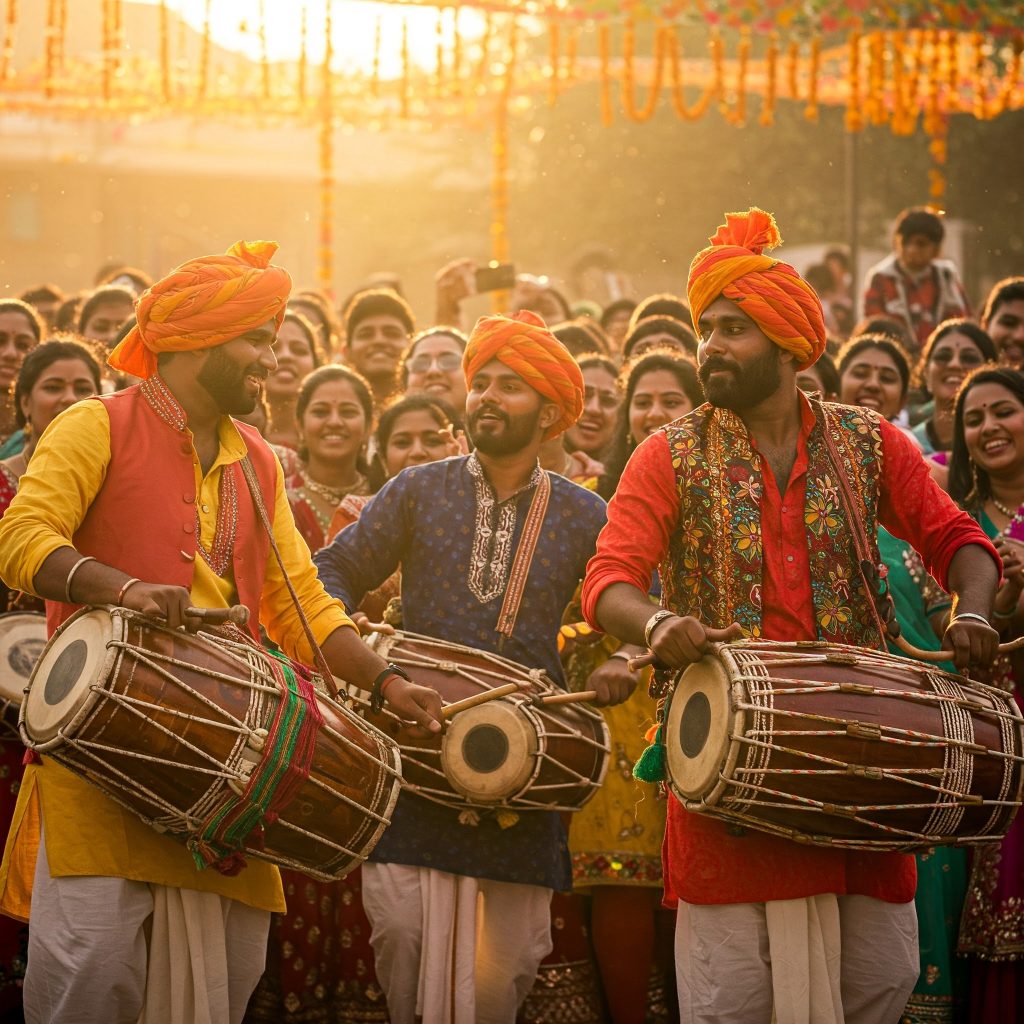
Have you ever been to an Indian celebration such as a wedding or Ganesh Chaturthi? Then, you have probably heard the iconic sound of Nashik Dhol reverberating through the air. This leads many people to wonder what makes it so special and crucial to have for Indian celebrations. To remedy the curiosities about the Nashik Dhol and its prominence in celebrations, we have created this article to discuss everything to know about this traditional instrument. So, without any further delays, let us dive straight into the details of Nashik Dhol starting from its definition. What is Nashik Dhol? The Nashik Dhol is a powerful percussion instrument originating from the historic city of Nashik, Maharashtra, known for its deep, resonating beats that instantly electrify any gathering. Unlike conventional dhols, the Nashik Dhol is much larger, producing a thunderous sound that commands attention and sets the tone for high-energy celebrations. Traditionally played in religious celebrations and festive events, it has now become a staple in Indian weddings, particularly during baraats and sangeet nights. Over time, its use has expanded beyond Maharashtra, gaining popularity across India and even in international celebrations. The Significance and Speciality of Nashik Dhol in Indian Celebrations Now that we have seen what the Nashik Dhol is, it is time to understand exactly what makes it so sought after for Indian festivals and celebrations. The reasons for its significance in this regard range from the historical heritage of the instrument to the vibe that it creates for the audience. 1. Signature Sound and Projection The Nashik Dhol is renowned for its thunderous sound, which can be heard from a great distance, making it perfect for large gatherings and open-air celebrations. Its deep bass reverberates through the crowd while the sharp, rapid beats create an adrenaline-pumping rhythm that instantly energises the atmosphere. Beyond sheer volume, Nashik Dhol’s rhythmic projection is what truly sets it apart. The synchronised beats played by multiple drummers create a pulsating, almost hypnotic effect that compels people to dance and move to its infectious groove 2. Traditional Heritage The Nashik Dhol has deep roots in Maharashtrian culture, originally used in religious processions, festivals like Ganesh Chaturthi, and political rallies. It symbolises unity, power, and celebration, with its beats traditionally marking significant moments of joy and devotion. Over time, its association with grand public celebrations led to its seamless integration into weddings and other festive events across India. If you’re planning a wedding celebration, don’t miss out on these vibrant Haldi and Mehendi decoration ideas to complement the Nashik Dhol beats. Today, it is not just a percussion instrument but a representation of India’s rich musical heritage, connecting generations through its unmistakable sound. 3. Thrill of Live Music There’s an undeniable magic in experiencing the Nashik Dhol live with the rush of adrenaline as the first beats echo through the air, sending waves of excitement. Unlike pre-recorded tracks, live dhol performances create interactive and spontaneous energy, with drummers responding to the audience’s enthusiasm and elevating the mood in real time. What makes the Nashik Dhol even more thrilling is the physicality of its performance. The drummers don’t just play; they move with the beats. This helps in adding visual flair with synchronised steps, twirls, and jumps that amplify the excitement for the entire crowd. 4. Integration with Other Instruments and Arts One of the most exciting aspects of the Nashik Dhol is its ability to blend seamlessly with other musical elements to create a rich and layered sound. It pairs exceptionally well with DJ setups, where its live beats add organic, dynamic energy to electronic music, elevating remixes of Bollywood, Punjabi, and folk tracks. Similarly, it complements traditional instruments like the tasha, lezim, and shehnai, preserving the cultural essence of Indian festivities while adding a powerful rhythmic backbone. Even in modern wedding choreography, Nashik Dhol players often interact with dancers, creating a visually and audibly immersive experience. 5. Creating an Energetic Vibe The Nashik Dhol is synonymous with energy, instantly transforming any space into a lively celebration. Whether it’s the exhilarating rhythm of a baraat procession or the vibrant energy of a sangeet night, Pair your live dhol beats with Sangeet stage decoration ideas that bring out the full energy of the night. the Nashik Dhol has a unique ability to lift spirits and fill the space with vigorous euphoria. The constant interaction between the performers and the audience ensures that the celebration remains electric. This is what helps to keep the energy high and the excitement palpable throughout the event, as it’s a powerful force that turns ordinary moments into extraordinary memories.You can even book a Nashik Dhol group for your next big event. 6. Variety of Performers One of the key benefits of incorporating the Nashik Dhol into your celebration is the growing availability of talented performers across India. As its popularity has surged, many professional dhol troupes now offer their services for weddings and events nationwide, making it easier than ever to book a performance. This increased accessibility means you have more options when selecting performers who align with your vision, ensuring you can find a band that suits your event’s atmosphere. With numerous talented dhol players available at different price points, you can enjoy the full, authentic experience without the stress of finding rare or hard-to-book performers. Pairing Nashik Dhol with modern mandap decoration trends adds a rich visual element to the auditory experience. 7. Easy Mobility and Transportation Another advantage of incorporating the Nashik Dhol into your celebration is its easy mobility and transportation. Unlike larger musical ensembles or bulky equipment, the Nashik Dhol is relatively compact and can be easily transported to any venue or location. The dhol players typically travel with minimal gear, which allows for smooth setup and minimal disruption to the event schedule. You may have even seen many artists play the Nashik Dhol all the way from the wedding venue to the baraat to ensure that the energy stays uninterrupted, no matter where the celebration takes